Why it’s never too late to learn singing – the brain benefits last a lifetime
In Part One of our look at singing and the brain, we covered what happens in your brain when you learn to sing. In Part Two, we’re looking at why it’s never too late to start singing training. Along with its neuroplasticity benefits, learning to sing can reduce stress, help manage pain and improve brain health across your lifespan – no matter what age you start!
Singing training is a whole-brain workout
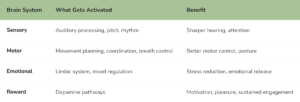
Unlike learning other types of single-focus skills, learning to sing activates four of your brain’s systems at once.
Singing training can also improve and preserve your cognitive function, including:
- language comprehension and articulation
- working memory
- decision making.
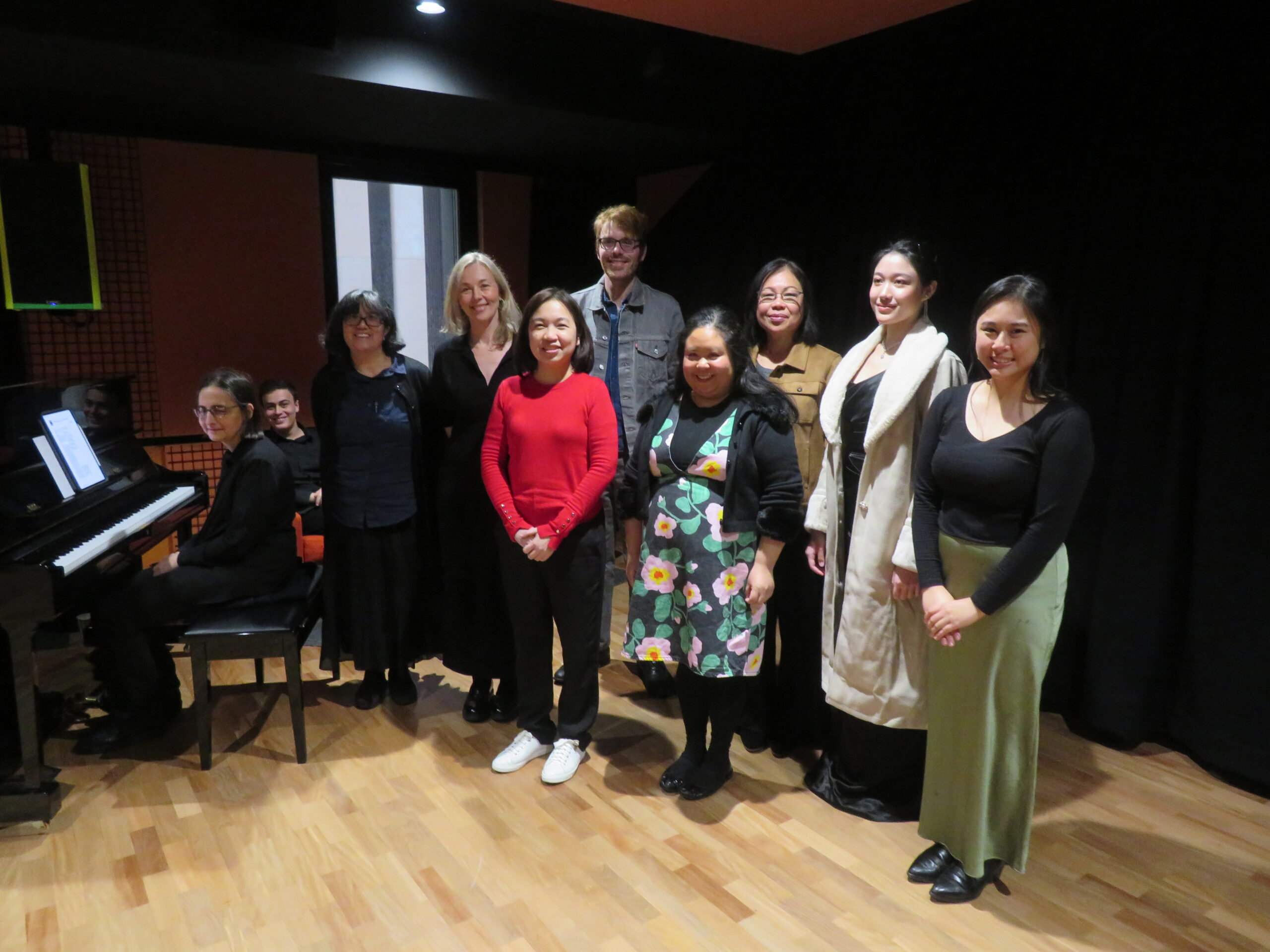
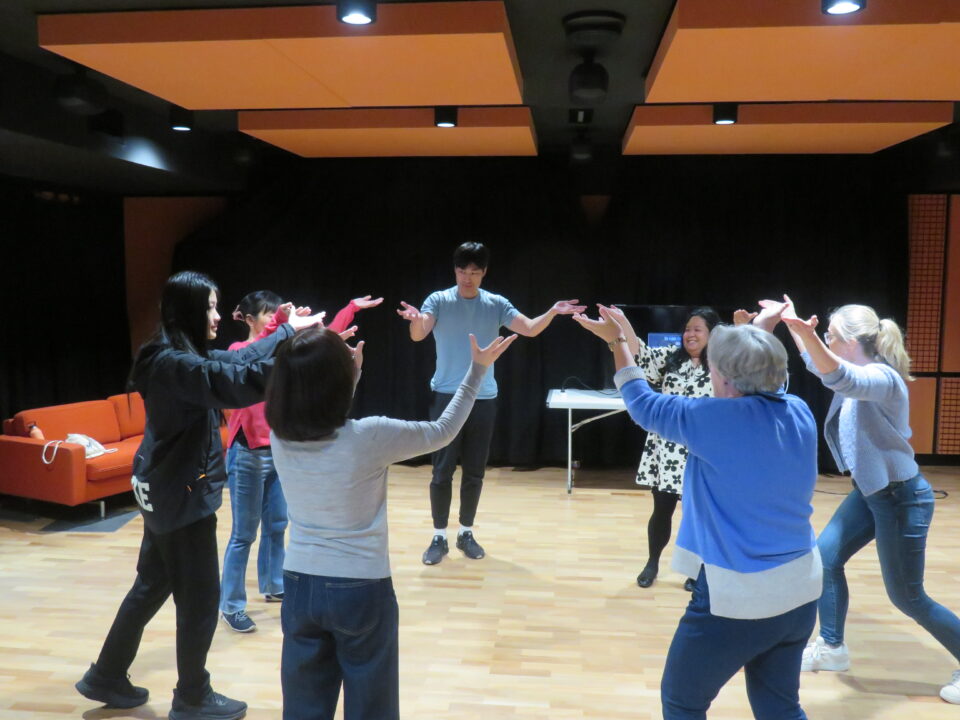
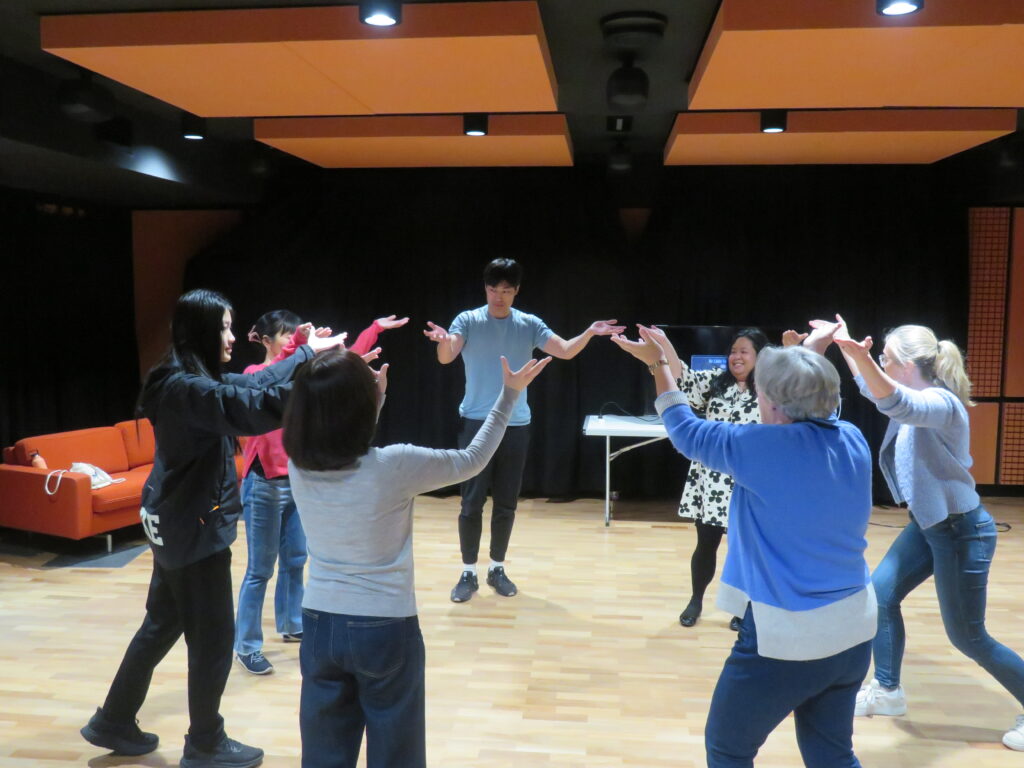
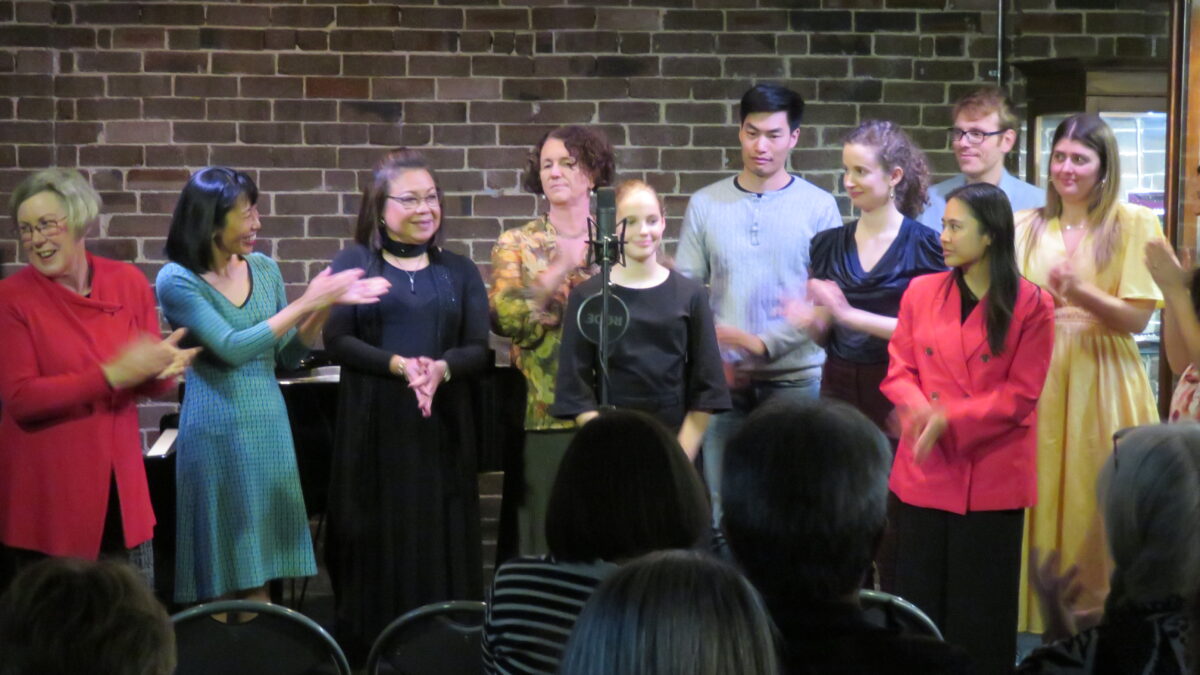
And, as any of our Studio singers who have participated in our group workshops will tell you, singing builds your social skills – essential for brain health – and cooperative skills.
Singing helps calm your nervous system and reduce stress

Victoria Du Rehearsal 2026
When stress disrupts the balance of the hormones cortisol (stress response) and dopamine (pleasure response) in your body, this can impair your thinking and sensory processing. Chronically high cortisol levels can lead to brain fog, which can impact your productivity and daily function. Singing has been shown to lower cortisol and activate dopamine pathways, improving motivation, concentration and mood.
In Dr Patricia Izbicki’s ‘Singing and the Brain’ seminars, which inspired these two blog posts, she cites an interesting finding: personality factors and musical preferences can determine the stress reduction effects of music. In other words, singing songs you genuinely enjoy will give you greater stress-reduction benefits than forcing yourself through repertoire you don’t connect with. This is why I encourage Studio singers to choose songs that not only suit their voice and abilities, but that they enjoy singing, with lyrics they relate to.
Science proves it’s never too late to learn to sing
Studies have shown the benefits of music therapy and singing training in older adults with neurodegenerative conditions, such as dementia, and people with Parkinson’s Disease or multiple sclerosis. And while much evidence points to stronger brain health benefits in people who learn music from childhood, it’s never too late to learn to sing! Your brain, and overall health, will see protective and preventative gains at any age.
Some music therapy research cited in Dr Izbicki’s seminars suggests singing offers measurable benefits at every age. So, the brain remains responsive to musical training throughout life. Unlike some physical abilities that decline irreversibly with age, the brain’s capacity to form new singing-related pathways persists into older age.

Start (or continue) singing now to protect your brain from decline!
While lifelong, or long-term musicians (10 or more years’ music training) show the strongest brain health benefits compared to non-musicians, or late-starting ones, there are still brain-protective benefits to be had. Dr Izbicki suggests that because music training is continually challenging – with new songs to learn, new techniques to master – this ongoing challenge keeps your brain adapting, helping preserve cognitive function.
The more you sing, the stronger the benefits become. Consistency matters more than talent – that comes with training from a professional singing teacher like Kathleen Connell.
Whether you sing in choirs, solo, in a band, or in community groups such as music theatre and church, singing is a fun, creative way to protect your brain and quality of life. So, start today!
Find a singing lesson package that suits you. And sign up to our monthly newsletter for singing tips and performance workshop dates.